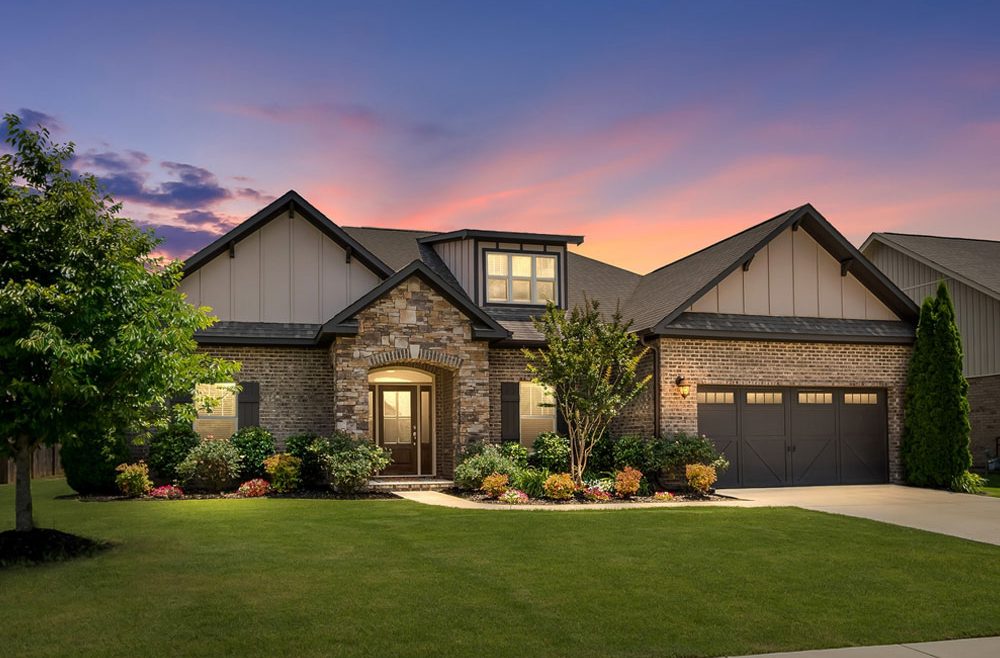
How Can You Use Masonry Accents to Elevate the Look of Your Home’s Exterior?
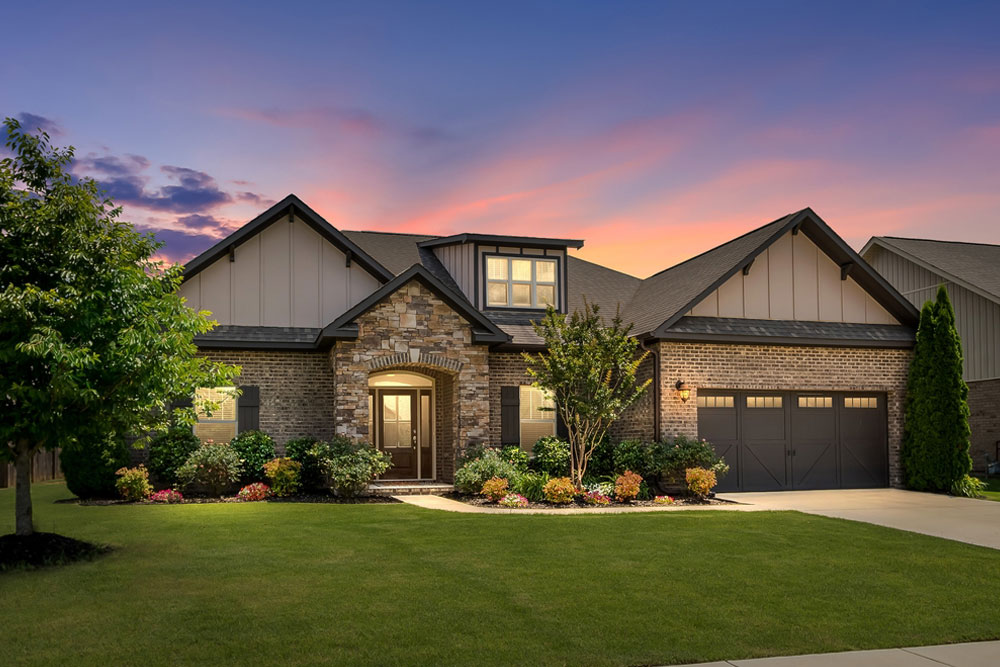
A home’s exterior creates an impression long before anyone walks through the front door. Architecture, landscaping, color, materials, and small finishing details all contribute to how refined and valuable a property feels. One of the most effective ways to add character and sophistication without completely redesigning the exterior is through thoughtfully placed masonry accents.
Masonry has a substantial, permanent quality that many other exterior finishes cannot replicate. Natural stone, brick, concrete, and other masonry materials can introduce texture, depth, contrast, and architectural interest. When the materials and proportions complement the home, masonry accents can make even a relatively simple exterior feel more custom and luxurious.
At STP Masonry, we approach exterior masonry as more than construction. Premium masonry should become part of the architecture, helping create a property that looks intentional, distinctive, and valuable.
Why Masonry Accents Make Such a Strong Visual Impact
Many homes have large exterior surfaces dominated by stucco, siding, or painted finishes. While these materials can look attractive, an exterior consisting almost entirely of one texture may appear flat. Masonry creates a visual break that gives the façade more dimension.
Stone or brick also introduces natural variations in texture and tone. These details allow sunlight and shadows to interact differently with the surface throughout the day, creating depth that a completely smooth wall cannot provide.
Masonry accents are especially effective because homeowners do not necessarily need to cover the entire house with stone or brick. Carefully selected areas can provide much of the visual impact of a larger masonry installation while maintaining balance with the home's existing design.
Create a More Impressive Front Entry
The front entrance is one of the most important places to consider adding masonry. It naturally attracts attention, making it an ideal location for a premium architectural detail.
Stone veneer around the doorway, masonry columns, brick borders, or a carefully constructed stone entry wall can help visually define the entrance. These features create a stronger transition from the driveway or walkway into the home.
For luxury properties, the goal is often not to make the entrance unnecessarily elaborate. Instead, the masonry should create a sense of permanence and craftsmanship. Proper proportions and high-quality materials can make a relatively understated entry feel considerably more sophisticated.
Add Stone or Brick to Exterior Columns
Columns are another excellent opportunity for masonry accents. Existing structural or decorative columns can often be enhanced with natural stone, manufactured stone, brick, or another complementary masonry finish.
Masonry gives columns additional visual weight. This can be particularly effective on homes with large porches, covered entrances, balconies, or substantial rooflines. A column finished entirely in stucco may visually disappear into the rest of the façade, while a stone-clad column can become an intentional architectural feature.
The masonry does not always need to extend from the ground to the top of the column. In some designs, using masonry around the lower portion creates enough contrast while maintaining a cleaner overall appearance.
Use Masonry Along the Lower Portion of the Home
A masonry base or wainscot is a classic way to introduce stone or brick to an exterior. This involves installing masonry along the lower portion of exterior walls while leaving stucco, siding, or another finish above it.
This approach can visually anchor the home to the landscape. It is particularly effective when the chosen material connects with other exterior elements, such as retaining walls, entry columns, walkways, or landscape features.
Depending on the architectural style, homeowners might consider:
- Natural stone veneer for a refined, organic appearance
- Brick for traditional, transitional, or historic-inspired homes
- Cut stone for cleaner contemporary architecture
- Stacked stone for stronger texture and visual depth
- Custom masonry combinations that coordinate with existing exterior materials
The height and placement of the masonry are important. Too little may appear accidental, while too much can overwhelm other architectural features. Thoughtful planning creates a more integrated result.
Frame Garage Doors With Masonry Details
Garage doors frequently occupy a significant percentage of a home's front elevation, particularly on many Southern California properties. Because of their size, they can dominate the architecture if the surrounding area lacks detail.
Masonry accents can help visually integrate the garage into the overall design. Stone or brick installed around the sides of garage openings, along nearby columns, or across portions of the garage façade can create a more finished appearance.
For larger luxury homes with multiple garage bays, repeating the same masonry material around several architectural elements helps establish consistency without making every surface identical.
Upgrade Walkways and Steps
The visual experience of a property begins at the sidewalk or driveway rather than at the front door. Upgrading walkways and entrance steps can therefore have a meaningful effect on curb appeal.
Pavers, stone pathways, masonry steps, brick borders, and custom concrete work can transform an ordinary route to the entrance into an intentional part of the landscape design.
For homeowners in San Diego, outdoor living and exterior presentation can be particularly important because the region's climate encourages homeowners to make greater use of exterior spaces throughout much of the year.
The strongest designs connect the walkway materials to features on the home itself. For example, stone used on entrance columns might also appear as a border around a walkway or on nearby landscape walls. This repetition creates visual continuity across the property.
Introduce Masonry Planters and Landscape Walls
Masonry does not need to be physically attached to the house to improve the home's exterior appearance. Custom planters, garden walls, retaining walls, and low landscape walls can add structure to the surrounding property.
These elements can help organize landscaping, define different outdoor zones, and create attractive transitions between elevation changes. They also provide another opportunity to repeat materials used elsewhere on the home.
For example, a stone accent around the entrance combined with matching stone on nearby planters can make the property feel like it was designed as a complete architectural composition rather than a collection of separate improvements.
Create a Statement With a Masonry Chimney
If a chimney is visible from the street, it can become a significant architectural feature. Covering or constructing portions of a chimney with stone or brick can create a dramatic vertical element that draws the eye upward and adds character to the roofline.
The right design depends heavily on the home's architecture. Traditional brick may complement some properties beautifully, while clean-cut natural stone may work better with contemporary or transitional designs.
Because chimneys are highly visible, craftsmanship is especially important. Consistent joints, carefully planned corners, proper transitions, and balanced material placement contribute to a polished appearance.
Use Masonry to Highlight Outdoor Living Areas
Outdoor kitchens, fireplaces, fire features, patios, and entertainment areas provide additional opportunities to use masonry as a premium design element.
A stone fireplace can become the visual centerpiece of a backyard. Masonry around an outdoor kitchen can make the space feel permanent and integrated into the property. Decorative walls and seating areas can further connect the landscape with the architecture of the house.
Repeating selected materials from the front exterior in the backyard can also help establish a unified design language throughout the property.
Choose Materials That Complement the Architecture
Adding masonry does not automatically improve a home. Material selection is critical. An expensive stone installed on a home with incompatible architecture can look less refined than a simpler material chosen specifically for the design.
Color is only one consideration. Homeowners should also think about texture, scale, pattern, joint style, stone size, and how the masonry interacts with surrounding materials.
For example, a modern home may benefit from larger pieces with clean horizontal lines and restrained color variation. A Mediterranean or Spanish-inspired property may work better with warmer stone, brick, or textured masonry that feels less uniform.
A premium result usually comes from coordination rather than simply selecting the most expensive material.
Avoid Using Too Many Competing Materials
One of the most common exterior design mistakes is introducing too many finishes at once. Stone, brick, wood, tile, siding, metal, and multiple stucco colors may each be attractive individually, but using all of them together can make the exterior feel visually crowded.
Luxury exterior design often benefits from restraint. One primary masonry material repeated strategically across several areas can create a stronger result than multiple unrelated masonry styles.
The goal should be to make the masonry look as though it has always belonged to the home rather than appearing as an addition applied after construction.
Masonry Can Add More Than Curb Appeal
Exterior masonry improvements can affect more than appearance. Well-designed features may also improve the overall perception of property quality. Buyers often respond to details that make a home feel custom, substantial, and professionally maintained.
A beautifully constructed entrance, coordinated stone façade, custom walkway, or premium outdoor living area can help distinguish one property from nearby homes with more basic exterior finishes.
Of course, property value depends on many factors, including location, market conditions, design quality, materials, and the scope of an improvement. However, masonry upgrades can contribute to the type of polished presentation that makes a property more desirable.
Craftsmanship Makes the Difference
Premium materials alone do not create premium masonry. Installation quality is just as important as the stone, brick, or concrete being used.
Small details such as stone placement, spacing, joint consistency, corners, transitions, alignment, drainage considerations, and integration with existing architecture can dramatically affect the finished appearance.
Quality masonry should look balanced when viewed from a few feet away and from across the street. It should complement surrounding materials and feel intentional rather than decorative for decoration's sake.
How we can help
At STP Masonry, we provide luxury and premium masonry services designed to enhance both the appearance and value of properties throughout San Diego. Whether you want to transform your entrance with natural stone, introduce masonry accents to your façade, build custom columns, upgrade walkways, create landscape walls, or develop a more sophisticated outdoor living space, our focus is on craftsmanship and thoughtful design. We look at how every masonry element works with the architecture of your home so the finished project feels cohesive, substantial, and built to last. If you are considering masonry accents for your home's exterior, STP Masonry can help you create features that elevate curb appeal while giving your property a distinctive, high-end character.

Michael N.
"STP Masonry did a fantastic job on our yard!
Scott and his whole crew get highest marks for their skill and care in taking my entire yard, front and back, from bare dirt to finished landscape and living spaces. The project included concrete flatwork, with special finish and sawcutting, precise drainage, masonry with capstone, my dream pergola with stone columns & heavy beams, my husband's dream barbecue island, a freestanding fireplace/chimney, a decorative entry gate, flagstone pathways, landscape plantings.
I had some basic plans, but Scott was very flexible as I modified my plans, and made excellent suggestions and solutions as the project evolved.
I couldn't be happier with how everything came out. We get compliments from friends and neighbors with how our yard looks, and I am always quick to recommend STP Masonry."
